2027: The New Deadline for Tesla's Limited Unsupervised Driving Promise
Tesla has set a second-quarter 2027 target for unsupervised FSD, but the feature will initially be restricted to specific Robotaxi service areas rather than allowing owners to drive anywhere.
By Christopher Reed ·
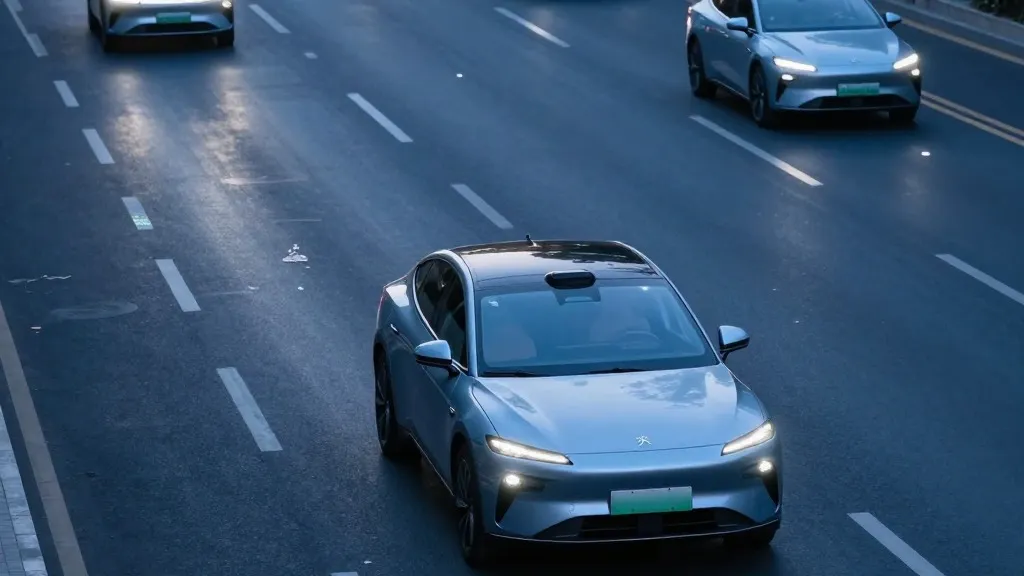
Tesla has officially targeted the second quarter of 2027 for the release of unsupervised Full Self-Driving capabilities in customer-owned vehicles, a date that extends the company’s long-standing timeline by several months. During the Q3 2026 earnings call, AI chief Ashok Elluswamy confirmed this schedule, but the announcement carries significant caveats regarding where and how the technology will actually function for everyday owners.
The core of the new plan involves integrating private Tesla vehicles into the company’s managed Robotaxi fleet. This means that unsupervised driving will not initially be a universal feature for any destination. Instead, owners will be able to operate their cars autonomously only within specific geofenced zones where Tesla’s Robotaxi service is already active. This approach contrasts with the original marketing pitch, which suggested a software update would allow customers to use their vehicles anywhere once fully autonomous.
Currently, Tesla’s Robotaxi operations are limited to six U.S. metropolitan areas, with service areas covering only small portions of those cities. In locations like Miami, Orlando, and Tampa, the active zones are restricted to low-speed routes and avoid complex highway segments. In California, where Tesla is a major player, the service still requires a safety driver in every vehicle because the company has not yet released the necessary data to the California DMV for a higher level of autonomous certification.
The scale of the current unsupervised fleet remains modest. By the end of Q3 2026, Tesla reported nearly two million cumulative unsupervised miles, a figure that includes the recent addition of Cybercab vehicles to the Austin fleet. However, third-party tracking indicates that the number of fully driverless Teslas on the road is in the dozens, a stark contrast to the hundreds of thousands previously discussed by Elon Musk. Competitor Waymo, meanwhile, has already accumulated over three million miles and was operating in Orlando and Tampa before Tesla’s entry.
Shareholders had pressed for clarity on this timeline, with questions backed by 1.1 million shares asking when unsupervised FSD would be available in customer cars. Elluswamy identified safety as the primary bottleneck, explaining that the company is limiting operations to easier environments to gather data and refine the system. He expressed confidence that these safety hurdles could be resolved by next year, though he acknowledged the uncertainty involved in the process.
For buyers, the shift represents a narrowing of the product definition. The promise has moved from a car that drives itself anywhere to one that can function as a Robotaxi within controlled zones. This development follows years of shifting deadlines, including a 2025 statement that unsupervised use would arrive in certain geographies by year's end. With hardware version 3 owners already facing limitations, the 2027 target stands as the latest in a series of evolving promises for the company’s autonomous driving roadmap.
Source: Electrek