Starship launches needed for Moon landing rise to 22
The latest estimate shows 22 Starship launches are needed to support a Moon landing.
By Camila Rodriguez ·
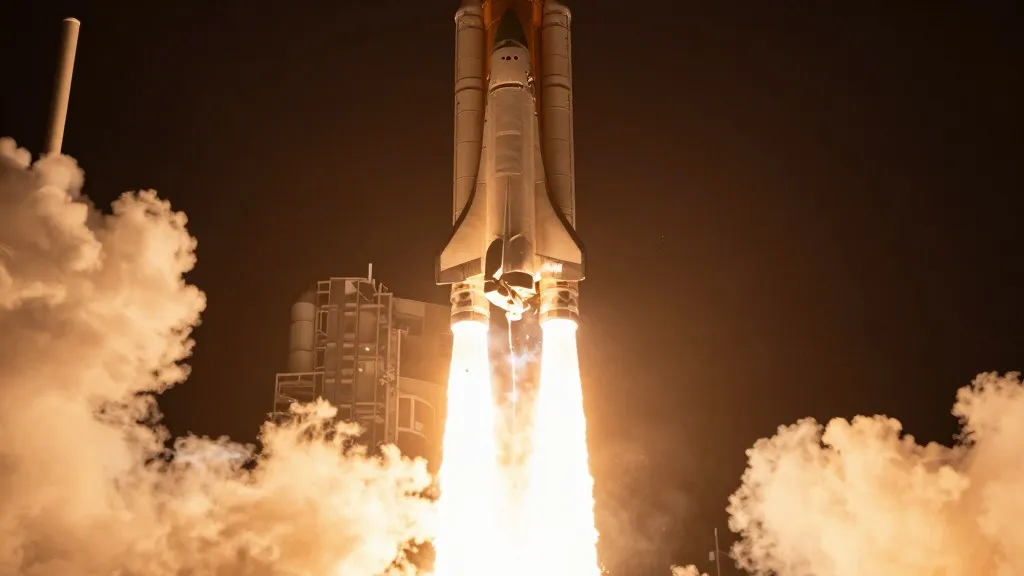
NASA has always been focused on landing humans on the Moon through the Artemis Program, but the number of Starship launches required to make that happen has been a moving target. The number has now been estimated at 22, which means SpaceX would need to launch a depot Starship and 21 tanker Starships to fully load it with propellant for a lunar voyage. This is a significant increase from previous estimates, which ranged from the high single digits to the low double digits. The hope has always been that SpaceX would improve the lift capacity of Starship to reduce the number of tanker flights, but now there are concerns that this might not be happening soon enough to allow SpaceX’s Starship rocket to play a meaningful role in returning humans to the Moon this decade.
The latest estimate came from the NASA Aerospace Safety Advisory Panel, which met on Thursday. Panel member Charlie Precourt, a former NASA astronaut, spoke about the risks associated with the Artemis Program and landing humans on the Moon. He highlighted the challenges of using Starship for lunar missions, including the need for a large number of launches to fully load the rocket with propellant. This new estimate shows that NASA is still committed to using Starship for the Artemis Program, but it also shows that the program is facing significant challenges.
The Artemis Program is NASA’s plan to return humans to the Moon for the first time since the Apollo missions. The program is designed to land the first woman and the first person of color on the Moon, and to establish a sustainable presence there. The Moon landing is expected to take place in the 2020s, but the latest estimate shows that it may take more Starship launches than previously thought to make it happen. This could have implications for the cost and schedule of the program.
The Artemis Program is a major undertaking for NASA, and it is being supported by SpaceX’s Starship rocket. However, the latest estimate shows that the program may be more challenging than previously thought. The number of Starship launches required to support a Moon landing has been a moving target, and it is now estimated at 22. This shows that NASA is still committed to using Starship for the Artemis Program, but it also shows that the program is facing significant challenges.
The Artemis Program is expected to land the first woman and the first person of color on the Moon, and to establish a sustainable presence there. However, the latest estimate shows that it may take more Starship launches than previously thought to make it happen. This could have implications for the cost and schedule of the program.
The Artemis Program is a major undertaking for NASA, and it is being supported by SpaceX’s Starship rocket. However, the latest estimate shows that the program may be more challenging than previously thought. The number of Starship launches required to support a Moon landing has been a moving target, and it is now estimated at 22. This shows that NASA is still committed to using Starship for the Artemis Program, but it also shows that the program is facing significant challenges.
Source: Ars Technica